Brightening Serum That Supports a Refined and Radiant Complexion
A lightweight skincare product can help smooth tone and add a healthy glow when used consistently.
https://purdori.com/products/age-protective-brightening-serumA brightening serum can be a practical addition to many skincare routines.
What is a brightening serum?
A brightening serum is a skincare product that delivers a high concentration of active ingredients to target dark spots, dullness, and discoloration with a lightweight, fast-absorbing formula.
How it works
In a brightening serum, ingredients such as antioxidants and pigment regulators work together to inhibit melanin production, speed up turnover of pigmented cells, and support a more even complexion.
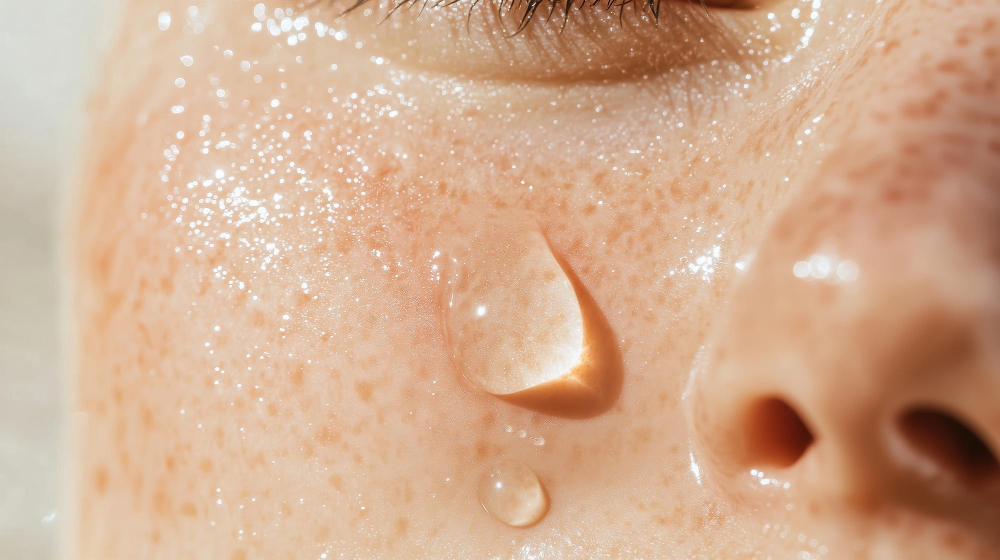
Key ingredients
- Vitamin C: A classic brightening agent often found in a brightening serum.
- Niacinamide: Helps strengthen the skin barrier and even tone.
- Licorice extract or kojic acid: Inhibits pigment formation and helps fade discoloration.
- Peptides and botanical extracts: Support skin resilience and brightness.
Choosing the right concentration
Concentrations vary by product and skin type. Start with a lower-strength formulation to gauge tolerance and gradually increase if needed.
How to use
- Patch test any new product before full use.
- Apply to clean, dry skin after cleansing and toning, then follow with moisturizer and sunscreen during the day.
- Start with once daily application and increase as tolerated.
FAQs
- Can I use a brightening serum in the morning?
- Yes, you can use a brightening serum in the morning or evening, but always finish with sunscreen in the day to protect against UV rays which can worsen pigmentation.
brightening serum
What is a brightening serum?
A brightening serum is a skin care product designed to reduce dullness and even out skin tone. It is usually lightweight and fast-absorbing, making it easy to layer with moisturizers and sunscreens. This type of product focuses on brightness and clarity rather than heavy coverage.
How does it work?
In this brightening serum category, active ingredients are chosen to inhibit pigment formation and promote renewed surface glow. Many formulas use antioxidants and brightening agents that help reduce the appearance of dark spots and uneven tone over time.
Key ingredients to look for
Look for a brightening serum that combines vitamin C, niacinamide, tranexamic acid, and licorice extract to balance pigment and protect skin. Stable forms of vitamin C and supportive peptides can improve radiance while minimizing irritation.
How to use safely
To maximize results, apply a brightening serum after cleansing and before moisturizer, then finish with sunscreen in the morning. Start with a patch test and introduce it gradually to avoid irritation, especially if you have sensitive or reactive skin.
Practical tips for different skin types
People with dry skin may prefer formulations with additional humectants, while those with oily skin may look for lightweight, quickly absorbing textures. For all skin types, consistent use, sun protection, and a balanced routine are key to long-term brightness. With patience and consistency, a brightening serum can help even tone and radiance over weeks or months.
brightening serum
– What is a brightening serum? – A lightweight skincare treatment that delivers concentrated active ingredients to help even skin tone, reduce dark spots, and boost radiance without a heavy feel. – How brightening serums work – They target excess melanin production and pigment formation. – They promote rapid turnover and skin renewal to reveal a brighter complexion. – They provide antioxidant protection to defend against environmental stressors. – Core ingredients to look for (and why) – Vitamin C (ascorbic acid): brightens, supports collagen, and evens skin tone. – Niacinamide: reduces redness, improves barrier function, and regains luminosity. – Alpha arbutin or kojic acid: inhibits pigment production to fade spots. – Licorice extract or glabridin: soothes irritation and helps lighten dark areas. – Tranexamic acid (optional): targets stubborn hyperpigmentation, especially on the face. – How to use a brightening serum – Patch test first for 24-48 hours to check for irritation. – Apply a few drops after cleansing and tone, before moisturizer. – Use consistently, typically once daily or as directed, and follow with sunscreen in the daytime. – Start with a lower concentration and gradually increase if your skin tolerates it. – Tips for choosing the right product – Stability and packaging: opt for opaque or dark玻 packaging and air-tight pumps to protect active ingredients (especially vitamin C). – Concentration: consider vitamin C at 10-20% for beginners; higher percentages can be used by experienced users with tolerance. – Compatibility: pair with a gentle cleanser and a moisturizer suitable for your skin type to minimize irritation. – Sensitivity considerations: those with sensitive skin may prefer niacinamide-based formulas or lower-strength combinations. – Safety, side effects, and who should avoid – Possible irritation, redness, or tingling, especially with potent vitamin C or kojic acid. – Do not mix certain actives in the same step (e.g., high-dose acids with strong vitamin C) without guidance. – People with very sensitive skin or certain medical conditions should consult a dermatologist before starting. – Expected results and timeline – Subtle brightening often appears in 2-4 weeks with consistent use. – More noticeable improvement in hyperpigmentation may take 6-12 weeks or longer. – Consistent sunscreen use is essential to maintain and protect results. – Keywords – brightening serum – vitamin C – niacinamide – kojic acid – arbutinbrightening serum
Brightening Serum: A Guide to Radiant, Even-Toned Skin
A brightening serum is a lightweight skincare product formulated to reduce dullness, even out skin tone, and fade dark spots. Packed with active ingredients, these serums can penetrate more deeply than creams to deliver targeted benefits. Consistent use often leads to a more luminous complexion and healthier-looking skin.
How a brightening serum works
Most brightening serums address pigmentation and radiance through a combination of tyrosinase inhibitors, antioxidants, and hydration boosters. Tyrosinase inhibitors help slow pigment production, while antioxidants protect skin from environmental damage that can worsen uneven tone. Hydrating actives support a healthy barrier, so skin looks plumper and more radiant. The result is a smoother, more even complexion over time.
Key ingredients to look for
Vitamin C (ascorbic acid)
Vitamin C is a potent antioxidant that brightens by helping to inhibit melanin formation and protect skin from free radical damage. It also supports collagen production, which can improve texture and firmness. Look for stable formulations with appropriate packaging to minimize degradation, and consider concentrations around 10–20% for effective brightening.
Niacinamide
Niacinamide (vitamin B3) strengthens the skin barrier, reduces inflammation, and can help even out skin tone. It’s generally well tolerated and pairs well with vitamin C, making it a common duo in brightening serums.
Tyrosinase inhibitors: arbutin and licorice extract
Arbutin and licorice extract help slow pigment production, supporting the fading of dark spots. These ingredients are often used to target hyperpigmentation without the stronger effects of prescription options. They work best when combined with good sun protection and consistent use.
Hydration and barrier support: hyaluronic acid and peptides
Hydration is essential for a healthy, radiant complexion. Hyaluronic acid draws moisture into the skin, enhancing texture and plumpness. Peptides can support skin renewal and resilience, helping to maintain a bright appearance over time.
Exfoliating and supporting actives
Gentle exfoliants like glycolic or lactic acid in low concentrations or polyhydroxy acids (PHAs) can help remove dull, dead skin cells and boost the effectiveness of brightening actives. Use exfoliants with care, especially if you have sensitive skin, and avoid combining too many active steps at once.
How to use a brightening serum
Incorporate a brightening serum into your daily routine to maximize results without irritation. Here’s a practical approach:
- Cleanse your skin with a gentle cleanser and pat dry.
- Apply a few drops of the serum to fingertips and press lightly onto the face, avoiding the immediate eye area.
- Follow with a moisturizer to seal in actives.
- During the day, apply a broad-spectrum sunscreen with SPF 30 or higher as the final step, especially when using brightening actives.
Tips for different skin types
• Normal to dry: Opt for formulas with hydrating bases (glycerin, hyaluronic acid) to prevent dryness while brightening.
• Oily or combination: Lightweight, fast-absorbing serums work well; pair with a non-comedogenic moisturizer.
• Sensitive skin: Start with a patch test and introduce one new active at a time to monitor tolerance. Consider lower concentrations and gentler formulations.
Choosing and layering smartly
How to layer with other actives
Brightening serums generally layer well with sunscreen and moisturizers. When using retinoids, vitamin C, or exfoliants, introduce products gradually to minimize irritation. If you experience irritation, scale back frequency or switch to milder alternatives.
Seasonal and routine considerations
In drier seasons, prioritize serums with extra hydration to support the skin barrier. In sunnier months, double down on sunscreen and consider serums formulated for daily daytime use with stable vitamin C to combat UV-related pigment changes.
Safety, patch testing, and precautions
Patch testing
Always perform a patch test before introducing a new brightening serum. Apply a small amount to a discreet area for 24–48 hours to check for redness, itching, or irritation.
When to avoid or be cautious
If you are pregnant or nursing, consult a dermatologist before using certain brightening actives. Those with a history of eczema or sensitive skin should select milder formulations and proceed slowly. Discontinue if persistent irritation occurs.
FAQs
Can I use a brightening serum with retinol?
Yes, but introduce them gradually. Some people prefer to alternate nights or use vitamin C in the morning and retinol at night. Always monitor your skin’s response and adjust frequency accordingly.
How long does it take to see results?
Results vary by product and skin type, but many users notice improved radiance within 4–8 weeks with consistent use and sun protection.
Is sunscreen enough to prevent dark spots from forming?
Sunscreen helps prevent new sun-related pigmentation, but existing dark spots require targeted brightening actives and time. Pairing sunscreen with a brightening serum accelerates overall improvement.